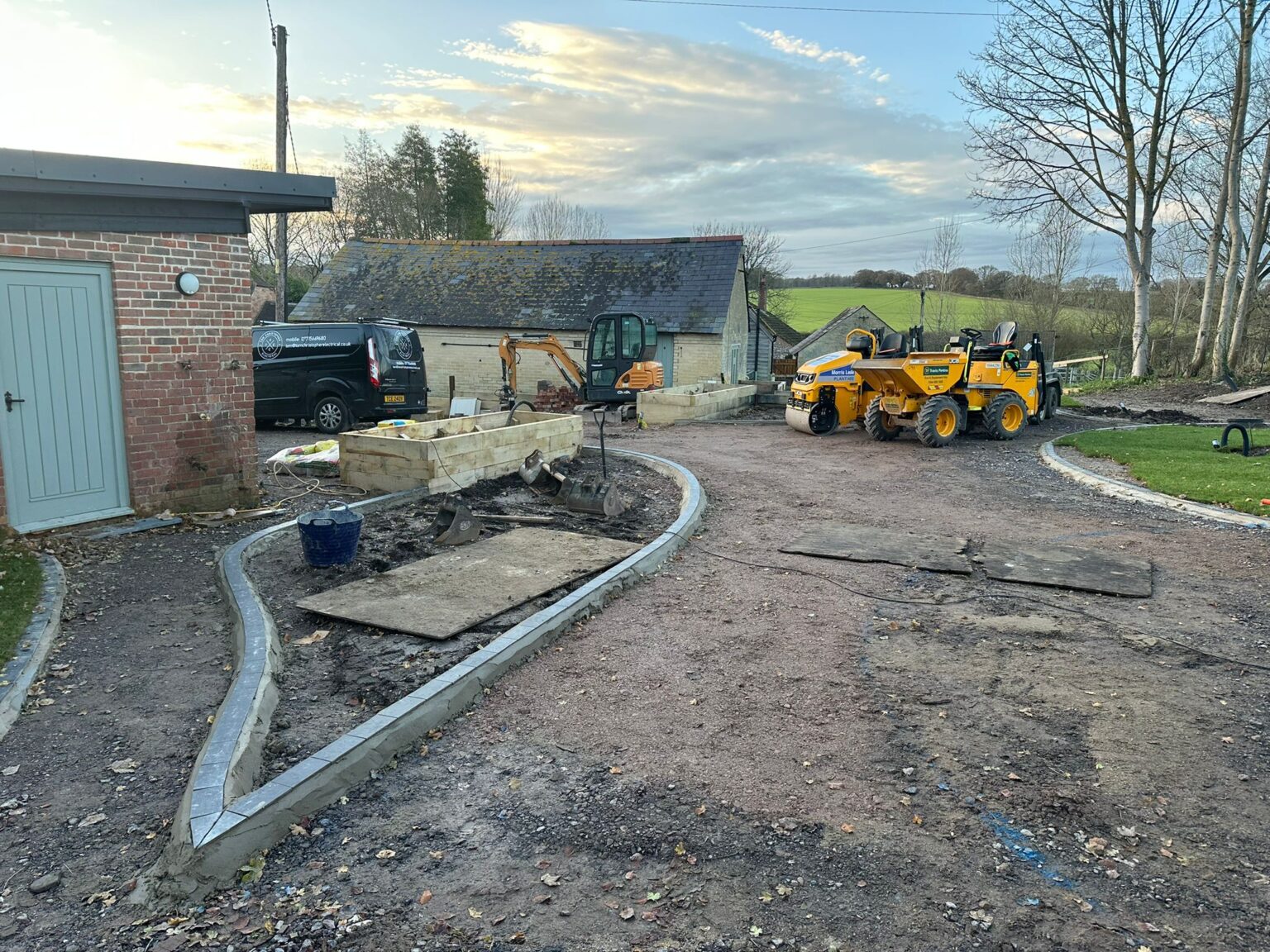
When planning a garden makeover, two terms you’ll often hear are soft landscaping and hard landscaping. While they work beautifully together, they serve very different purposes in shaping outdoor spaces. Understanding the difference can help you make the right choices for your home and lifestyle.
What is Soft Landscaping?
Soft landscaping refers to the natural, living elements of a garden. This includes grass, soil, flowers, shrubs, hedging, trees, and planted borders. The goal of soft landscaping is to bring colour, softness, biodiversity and natural movement into an outdoor space.
Soft landscaping is ideal for homeowners who love gardening, seasonal interest, and lush surroundings. It can also help support local wildlife by creating habitats for bees, butterflies, and birds. Because soft landscaping is organic, it can change dramatically throughout the year — offering different textures, colours and moods with the seasons.
Popular examples of soft landscaping include:
- Fresh turf or artificial grass
- Raised flower beds and planting schemes
- Shrubs, trees, hedges, and borders
- Decorative bark and mulch areas
- Garden soil improvements
Soft landscaping is also a great way to enhance kerb appeal and soften areas dominated by hard surfaces or architecture.
What is Hard Landscaping?
Hard landscaping includes the man-made, structural elements of a garden. These features add practicality, layout, and long-term durability to outdoor spaces. Hard landscaping shapes how you move through your garden, how you use it, and how well it performs all year round.
Common hard landscaping features include:
- Patios and paving
- Driveways and pathways
- Retaining walls and steps
- Fencing and gates
- Decking and pergolas
- Brickwork, concrete, gravel, and stone installations
Because hard landscaping is built from solid materials, it forms the backbone of any landscape plan — helping define areas for entertaining, dining, parking, or relaxing. It’s also essential for drainage, access, and structural support.
How Do They Work Together?
The best gardens strike a balance between soft and hard landscaping. Hard landscaping sets the structure and function, while soft landscaping brings character, colour and life. For example, a beautifully paved patio becomes far more inviting when framed by planting beds or greenery. Likewise, lawns and borders are far easier to enjoy when paired with paths, seating areas or sheltered spaces.
At CHS Landscaping, we design outdoor spaces that connect the practical with the natural — creating gardens that look stunning, feel welcoming, and work with your lifestyle.
Which Is Right for Your Project?
If you’re unsure where to begin, consider how you want to use your garden. Hard landscaping is perfect for transforming unused sections into functional living spaces. Soft landscaping enhances those spaces and gives them depth, warmth, and personality.
Whether you’re dreaming of a low-maintenance garden, a family-friendly lawn, a modern outdoor entertaining area, or a complete redesign, combining the two approaches can help you get the best of both worlds.